Choosing Between Pond Aerators vs. Pond Fountains
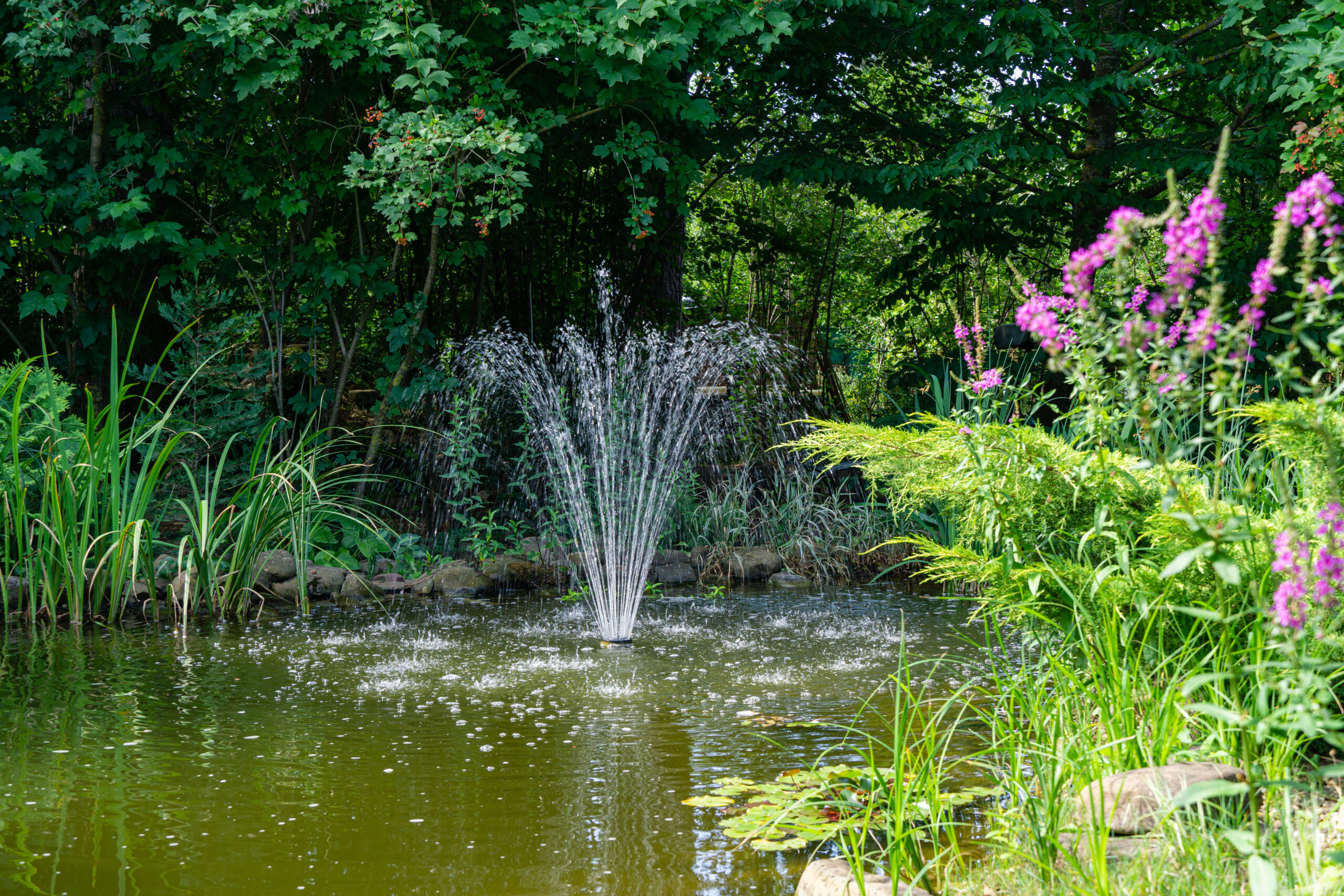
Have you ever walked past an office building and noticed a pond on the property? If so, have you also noticed the pond fountains? You have probably taken a mental note of how these beautiful pond fountains add a unique visual allure to the water. That is why so many commercial and residential property owners incorporate them—they simply make a feature look exceptionally unique.
But who says looks are everything? Water movement not only provides visual benefits, but it also allows the pond’s ecosystem to thrive. This is where dedicated pond aerators are so helpful. These devices greatly facilitate expanded water movement to prevent stagnant conditions.
Stagnant water does not provide a healthy environment for plants and fish life. When a pond fountain or aerator circulates water, it vitalizes the entire environment. Specific benefits of this movement include better oxygenation, reductions in harmful bacteria, and a slower algae growth process.
The Main Differences Between Aerators and Pond Fountains
Yes, pond aerators and pond fountains have different primary purposes. Understanding these differences is necessary in order to purchase the right system for your specific needs.
The basic differences come down to two goals: visual appeal and ecosystem support:
- Pond Fountains: Designed mainly with aesthetic qualities as the primary purpose, with aeration and water movement as secondary benefits.
- Pond Aerators: Designed strictly for improving the pond’s ecosystem, with visual aesthetics taking a back seat.
How Decorative Pond Fountains Manage Aeration
Just because a pond fountain is built for visual appeal doesn’t mean it won’t benefit the environment. The splashing effect of the water shooting up and returning to the surface helps with gas transfer and surface mixing, which adds vital dissolved oxygen.
Depending on the spray pattern, some fountains do a better job than others. Basically, the finer the spray of the fountain, the better it is going to be at venting gases and mixing in oxygen. From an aesthetics standpoint, fountains can be used at any depth. However, if you want an appreciable aeration benefit, they are best suited for shallow ponds of 8 feet or less (unless paired up with a bottom aerator).
How Deep and Surface Pond Aerators Work
Pond aerators operate in two ways: they can aerate from the bottom up or right at the surface. The depth of your water helps determine which type of system will be best. As a rule of thumb, if the water is under 8 feet deep, a surface aerator is your best option.
Some surface aerators are actually very similar to fountains because they feature an attractive spray pattern. The main difference is that the display pattern on an aerator is engineered to maximize water mixing at the surface, rather than focusing purely on stylistic appeal.
Then there are bottom-focused aerators positioned at the lowest point of the floor. These inject air and release streams of bubbles that work their way to the top. These systems are the absolute best at deep oxygenation. They are the ideal approach for deep water because they treat the entire water column, maximizing circulation and eliminating thermal stratification.
Which System Does Your Water Feature Need?
Both pond fountains and aerators provide massive benefits. The right choice simply depends on defining your goals. Regardless of which one you select, both the visual and functional aspects of your feature will improve dramatically.

Have you ever walked past an office building and noticed a pond on the property? If so, have you also noticed the pond fountains? You have probably also taken a mental note of how these Pond Fountains add a unique visual allure to the pond. That is why so many commercial and residential properties incorporate the usage of Pond Fountains. They just make a pond look exceptionally unique.
But who says looks are everything? Water movement not only provides added visual benefits to a pond, they also allow the pond’s ecosystem to thrive and survive. This is where aerators are so helpful – these devices greatly facilitate expanded water movement. Stagnant water is exactly that – stagnant. Obviously, stale and stagnant water does not always provide the best environment for plants and fish life. When a pond fountain or aerator circulates water around in the pond it will vitalize the pond’s environment. Specific benefits of this movement include better oxygenation of the water, reductions in the presence or harmful bacteria, and a slowing of the algae growth process.
Yes, pond aerators and pond fountains have their different purposes. Understanding these differences is necessary in order to always purchase the right fountain/aerator for your needs. But what are the main differences?
The most basic differences bring us to the two purposes of moving water in the pond: visual appeal and ecosystem support. In particular, a fountain is designed mainly with aesthetic qualities as the primary purpose, with aeration and water movement secondary. Pond Aerators are the opposite. Improving the pond’s ecosystem is the focus with aesthetics taking a back seat.
Just because a pond fountain is primarily built on visual appeal doesn’t mean they do not benefit the pond environment. The splashing effect of the water shooting up and returning to the surface of the pond helps with the transfer of gasses and the mixing of the water at the surface, which adds oxygen. Now depending on the spray pattern of the fountain, some fountains do a better job of that. Basically the finer the spray of the fountain, the better it is going to be and venting gases and mixing in oxygen. From an aesthetics standpoint, a pond fountain can be used with ponds of any depth; however, if you are wanting to provide any appreciable aeration benefit, they will be best suited for shallow ponds of 8 feet or less, unless paired up with an aerator.
Pond aerators operate two ways. They can aerate from the bottom up or just at the ponds surface. The depth of the pond can help determine which type of system will be best, but a rule of thumb is if the pond is under 8 ft deep, then a surface aerator would be the best option. Some surface aerators are actually very similar to fountains in that they have an attractive spray pattern. The main difference being is that the display pattern on an aerator is developed to provide excellent aeration and water mixing at the surface as opposed to a typical pond fountain and its stylistic appeal. Then there are aerators that you position in the bottom of the ponds that are injected with air and release air bubbles that eventually work their way to the surface. These systems are the best and oxygenating and oxygenating and are the ideal approach to aerating deep ponds because they work across the entire water column and help with aeration and the elimination of stratification.
Both pond fountains and aerators provide great benefits to a pond. The right one for your pond simply depends on defining your needs. Regardless of which one you select, both visual and functional aspects of the pond will improve dramatically.